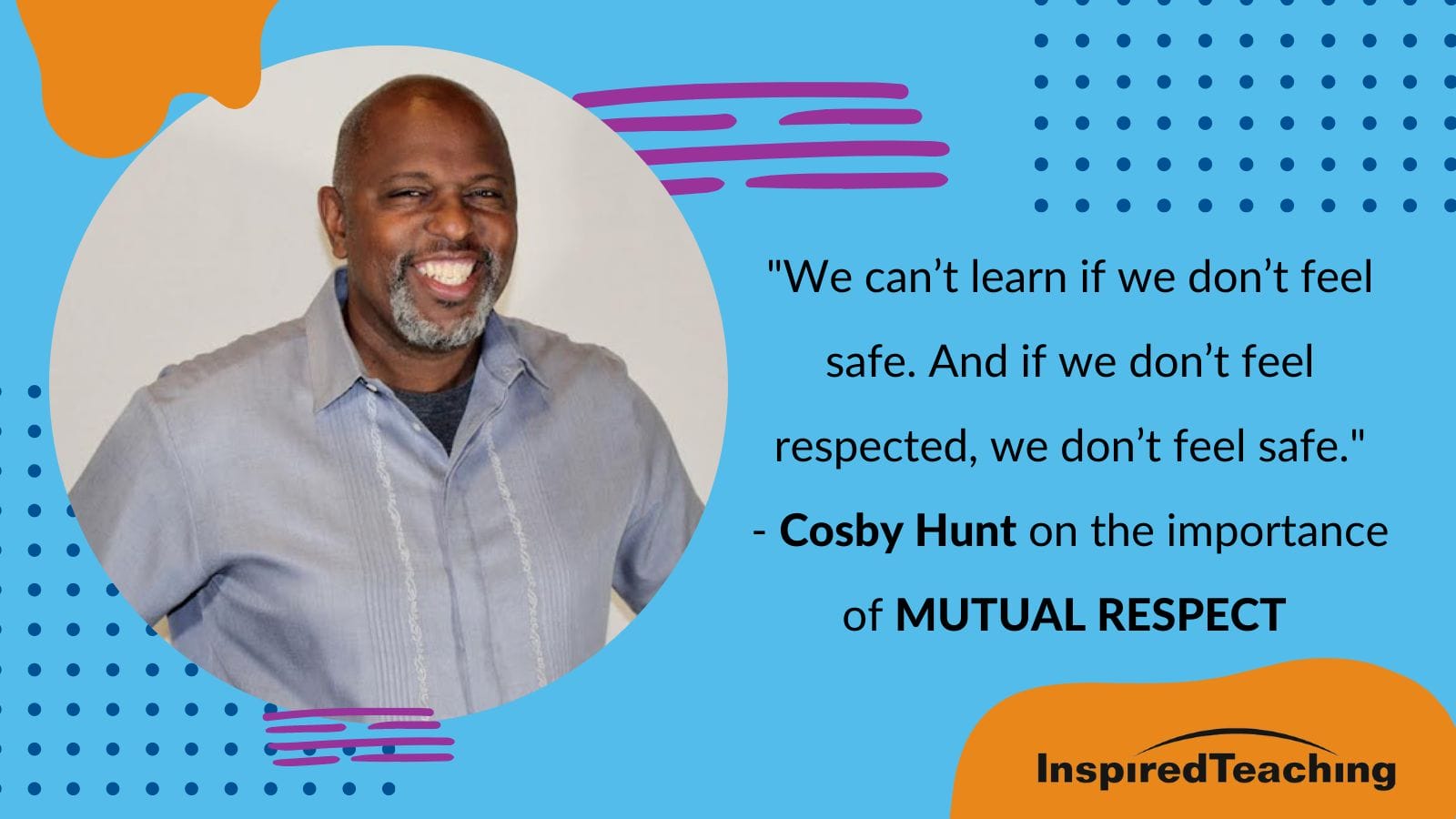
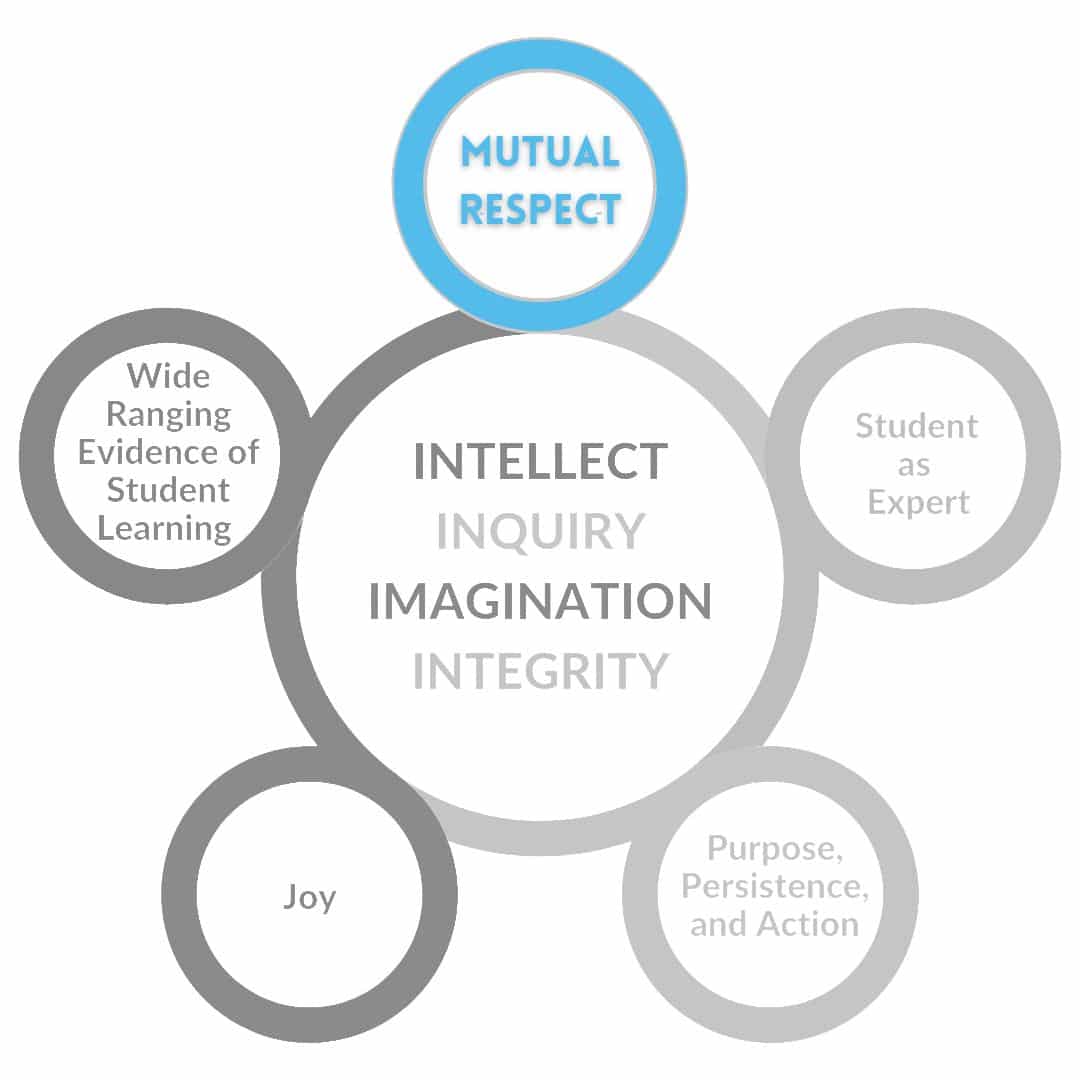
The 5 Core Elements: Mutual Respect

Everyone’s voice matters: Every student, every teacher, every parent or guardian, every school leader, every staff member, every custodian, everyone. Students’ ideas and teachers’ ideas are encouraged and appreciated as part of academic instruction. Students and teachers are partners in setting and maintaining high expectations. Instead of looking to behavior management or other crowd control mechanisms, adults in school embrace relationship-based discipline, restorative justice, and other philosophies that authentically build self-discipline and intrinsic motivation, and teach genuine responsibility. Students are not expected simply to comply with rules. The expectation is that school will help students thrive.
Read More

Not Ready for “Sorry” | Hooray for Monday

Mutual Respect means everyone’s voice matters: every student, every teacher, every parent or guardian, every school leader, every staff member, every custodian, everyone.

Make Way for the Monarchs

Few lifecycles are as enticing to observe in their entirety as that of monarchs and watching the transformation from a caterpillar into a creature that can fly is a powerful metaphor for the kind of transformation one can do through learning.
Finding Smiles

Focused and specific feedback on how we positively relate to others is good for our self-esteem and encourages us to lean into our authentic selves.

Hands and Feet Stories

Learning to listen deeply may very well be one of the most important skills we can cultivate as members of a community and one of the ways we can demonstrate our understanding of what we hear is by sharing back what was said.

Seeing with Different Eyes

Using basic observation and listening skills, this activity can serve as a catalyst for building community in the classroom and deepening understanding of how each of your students thinks.

 Dealing with “devious licks”? Be Curious. | Hooray for Monday

Curiosity is a sign of respect – especially when the stakes are high.

Yes. But… vs. Yes! And…

As teachers, embracing an improvisational mindset can help us think creatively about problems, and building this kind of thinking in our students can do the same for them. This activity is a good place to start. 

A Perfect Time to Speak Truth 

At a time when we’re craving in-person conversations and missing the flow that body language can bring to a discussion, Inspired Teaching’s Speak Truth virtual sessions offer a beautiful antidote to all the things we’re growing fond of bemoaning about video...

“A person’s a person, no matter how small.” – Dr. Seuss

Inspired Teaching’s Jessica Hiltabidel explores what “Mutual Respect” looks like, both in the classroom and out in the world.

Resources and Activities

Make Way for the Monarchs

Make Way for the Monarchs

Few lifecycles are as enticing to observe in their entirety as that of monarchs and watching the transformation from a caterpillar into a creature that can fly is a powerful metaphor for the kind of transformation one can do through learning.

Finding Smiles

Finding Smiles

Focused and specific feedback on how we positively relate to others is good for our self-esteem and encourages us to lean into our authentic selves.

Hands and Feet Stories

Hands and Feet Stories

Learning to listen deeply may very well be one of the most important skills we can cultivate as members of a community and one of the ways we can demonstrate our understanding of what we hear is by sharing back what was said.

Seeing with Different Eyes

Seeing with Different Eyes

Using basic observation and listening skills, this activity can serve as a catalyst for building community in the classroom and deepening understanding of how each of your students thinks.

Yes. But… vs. Yes! And…

Yes. But… vs. Yes! And…

As teachers, embracing an improvisational mindset can help us think creatively about problems, and building this kind of thinking in our students can do the same for them. This activity is a good place to start.