Elementary
A collection of lessons and activities from Inspired Teaching to foster authentically engaging learning with students and deepen teachers' understanding of their role in the classroom.
Whether you teach early childhood or calculus, these award-winning lessons and activities—informed by 30 years of work with thousands of educators—authentically engage, spark curiosity, build community, and support academic success in your classroom. The self-led teacher assessment tools challenge you to shift your role from deliverer of information to Instigator of Thought, providing small steps with big payoff for reinvigorating your practice and rediscovering your why.
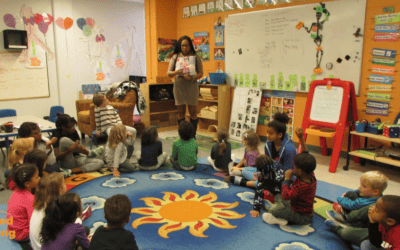
Read Aloud Often and Together
One of the best things you can do to keep literacy alive and well both in and outside the classroom is to read aloud, it’s vital to building strong readers!
25 MORE Math Explorations
The following activity is part of a series we’re creating to support students, teachers, and caregivers, during this unprecedented time. Read more about the project here. If you try this activity with your student(s), we’d love to see what you do. Share your journey...
25 Math Explorations
Giving the brain something to puzzle through is good mental exercise anytime, especially now when our learners’ brains might be beginning to miss the daily stimulation of a face-to-face classroom.
Do Just One Thing – The Power of Presence
The following activity is part of a series we’re creating to support students, teachers, and caregivers, during this unprecedented time. Read more about the project here. If you try this activity with your student(s), we’d love to see what you do. Share your journey...

How Long is Six Feet?
Learners start to internalize our new norms about appropriate social distance by finding objects and spaces that are six feet long.
Watch it Grow – Exercising Patience
In this activity, learners choose something to observe, and collect data over a period of days or weeks on how it changes and grows, and perhaps transforms.
How vigorous is my heart?
Why do we take pulses using arteries? Why is a person’s pulse considered a useful measure of health? In this activity students find the answers!
10 Ways to Make a Walk around the Block a Learning Experience
Even if your local park is off limits, a walk down the street can be good for the intellect and imagination. This activity offers ways to turn that walk into a learning experience.
What would you see in a museum of Me?
This activity is designed to fuel conversation and creative thought about what objects represent, how we elevate them to the level of treasured artifacts, and what particular items best represent our own particular persona.
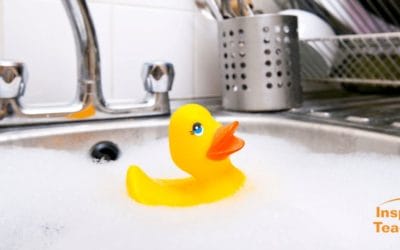
What floats? What sinks?
This activity can be as simple as sticking things in water to see if they sink and as complicated as building contraptions to make things that normally sink stay afloat (or make things that normally stay afloat sink).