
July 20, 2026
By Jenna Fournel, Chief Curiosity Officer
I’ve noticed a dear thing about all of my teacher friends in the summer: even as they try to recharge, they are perpetually on the lookout for ideas to bring back to the classroom come fall. We might be talking about a trip they went on and how they plan to use pictures they took as they flew back into Washington, DC to launch a conversation with students about perspective. Or, we might be cooking a meal together, and they share some thoughts they have about how recipes can teach about ratios. Summer is a good time to daydream about the “what and how” of teaching. But what my teacher friends always say after these reflections is that much will depend on the students they meet when school resumes.
I see this as improvisational thinking at its best. They are crafting plans and thinking about their goals – there is much work that goes into constructing a learning year. But they know that all of this is meaningless without the scene-partners, the students, who will ultimately drive what happens in the classroom. Their interests will lead to those “Yes! And…” moments. Their imaginations will form the basis of a classroom culture built on respecting what everyone creates. Their explorations and stumbles along the way will lead them to embrace the mistakes at the heart of real learning. And how can you play big until you know who you’re playing with?
This week’s post from the archives is a beautiful illustration of what it looks like when a teacher designs everything she does with students at the center and improvisational thinking as her guide. Lacey Hunter forever changed the way I think about the questions I ask a young person the first time I meet them, and so much about this conversation has informed the work I’ve done with teachers over the past several years. Be sure to listen to the podcast for our full conversation!
October 17, 2022
By Jenna Fournel, Chief Curiosity Officer
Hooray for Monday is a weekly blog filled with questions, ideas, reflections, and actions we can all take to remodel the school experience for students.
You can now listen to Hooray for Monday on Spotify! Check out our podcast here.

What’s your favorite color? It’s a simple question that we’re taught from a very young age should have just one answer. Today we’d like to introduce you to a teacher who is approaching that inquiry a bit differently with her 3-year-old students.
Lacey Hunter is a preschool teacher at the Inspired Teaching Demonstration Public Charter School, where she began her career in 2016. She says when adults ask the favorite color question “it comes from a good place of wanting to connect with the kids. But I have just found that as an adult it’s hard to say that you have just one favorite color. And to assume that children aren’t as dynamic as we all are in their complex thoughts” is simply not the case. So Lacey stopped asking her students that question and instead asks them things like “What colors do you love? What colors are you using in your art today? I see you’re wearing purple, tell me about that.” These kinds of inquiries “open up conversations, especially if our drive for asking is to get to know the children and to get them to open up and share with us.”
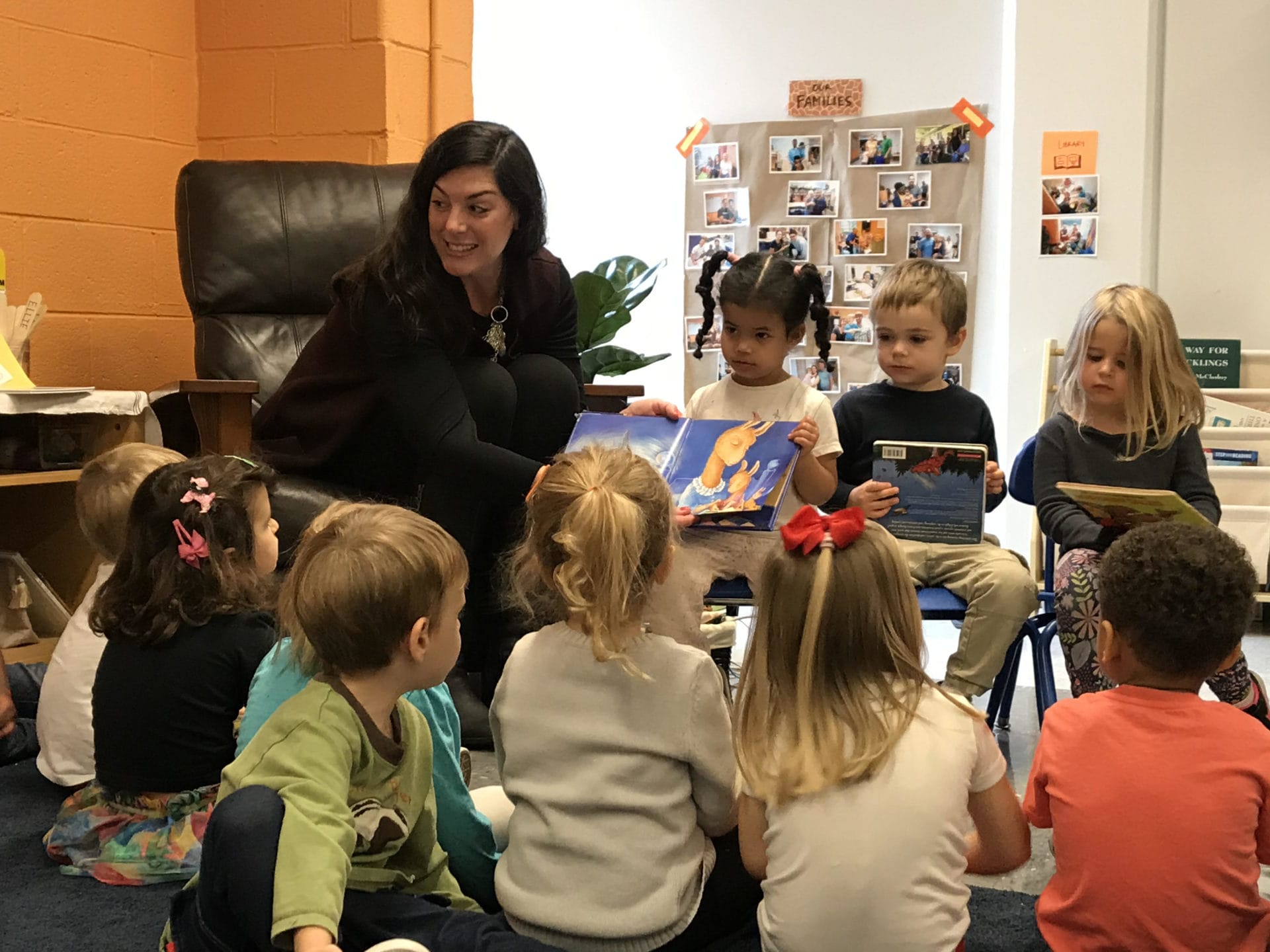
That’s a big focus in Lacey’s classroom. She says “it’s not about teaching children what we think they need to know and retain. My goal is really building their thinking skills, their language, and infusing all of my interactions with children with rich language of my own and open-ended questions.”
This is how Lacey embodies one of the most important facets of being an Inspired Teacher: she focuses on teaching students how to think, not on what to think.
When she has two students in conflict over a basket of supplies, she sits down with them and shares what she sees. “I see that your face looks angry, I see that you look frustrated.” Then she uses questions like, “What can we say to help tell your friend what you need?” She says “when they see themselves as problem solvers, the next time they have this conflict you can see them start to implement that language themselves to solve it.”

Every interaction like this shows Lacey new pathways to helping her students learn and she is always retooling based on that new insight. “Planning, reflecting, and refining makes every day feel new and exciting.” But even within a plan she leaves room for spontaneity. “If the spirit moves us one day to bring in a rotting pumpkin and have it on the table and the kids get to dissect it and figure that out as a small group at centers, it doesn’t mean that the rest of the plans aren’t happening in other parts of the room. We definitely still have structure and we still have plans and goals and data that we record . . . but within that there is a lot of flexibility.”
The flexible thinking that allows us to love red and blue and sometimes purple, too, is how we learn. These vignettes from Lacey’s class offer a window into what that looks like in practice. This week, be on the lookout for opportunities to have rich conversations with your students. May lots of colorful language ensue!
4 Ways to Shift Instruction from What to Think
to How to Think
-
Take 20 minutes in your day when you consciously pay attention to the kinds of questions you ask students and try to turn all your yes/no questions into open-ended ones. See how that feels, and how your students react. Try to extend that time to 30 minutes, then 40, and eventually to the whole day.
-
When you’re introducing a concept, let’s say writing an essay, begin with models that students can pick apart themselves to identify key features and effective literary devices. Then derive a list of what makes a good essay from their discoveries.
-
Look for student questions you can throw back to the class versus answering yourself. For example, if they ask, “Why do we have to learn this?” see what happens if you say something like, “I have some ideas about how I might answer that, but I’m curious to see what the rest of you think first. Why do YOU think it’s important to know this? Where might you go to find some answers?” This approach elevates student expertise and helps them to practice their own reasoning rather than following yours. Even a question like, “When is this assignment due?” can be answered by other students or located on the board or perhaps online if you’re teaching them to use these spaces to find answers. Encouraging your students to seek and find answers on their own is part of learning how to problem-solve and think!
-
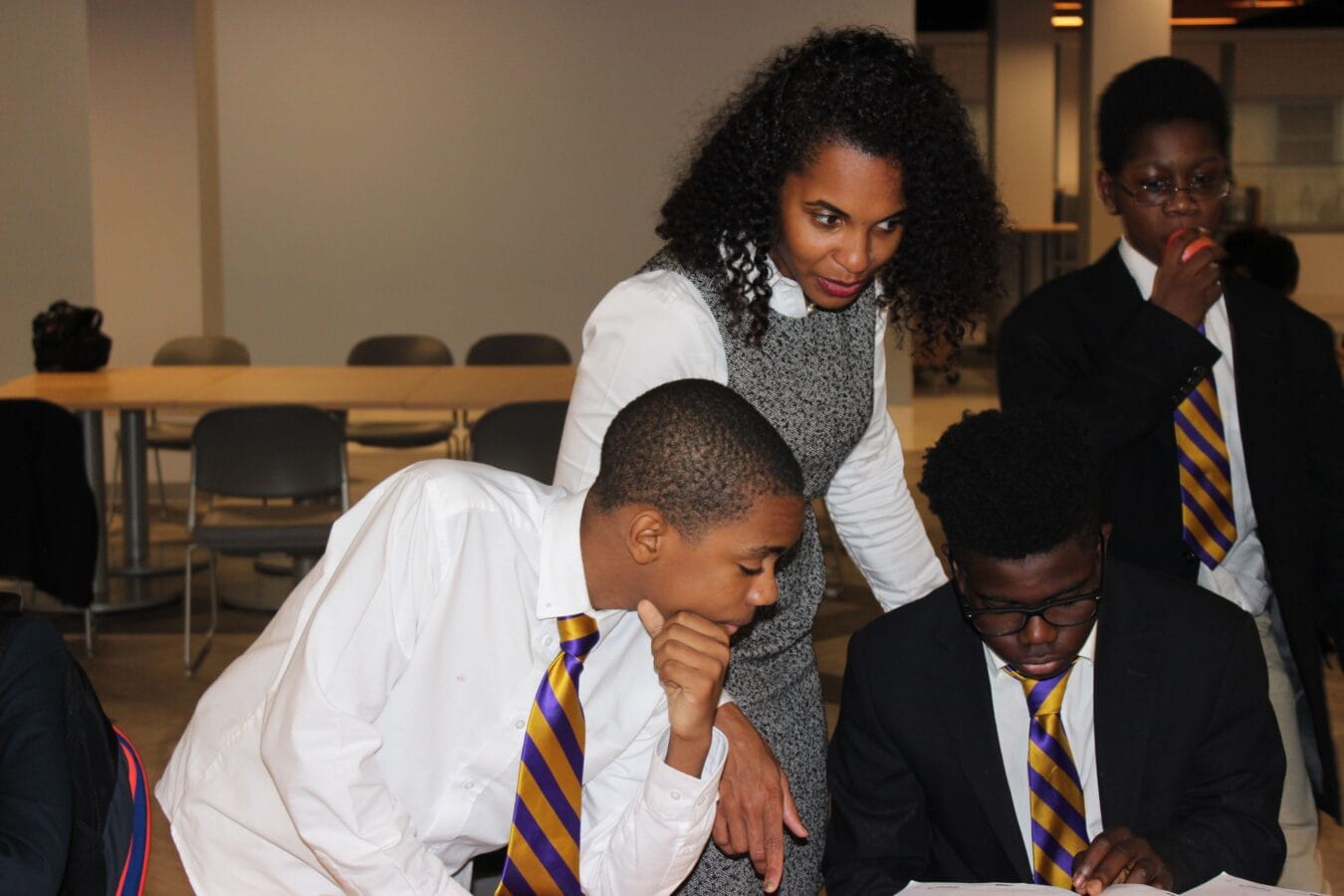
Seek opportunities to get a better understanding of how your students’ minds work. Invitations like, “share your thinking” or “tell me more about” or “I’d like to see how you did that” can give you insights that may uncover different ways of processing information or seeing the world. This beautiful piece by Temple Grandin illustrates what you can make possible for students when you adopt this approach.
